




Sports investing is changing shape. It’s moving from opportunistic, one-off deals to a dedicated private markets strategy. It now has its own funds, its own deal structure, and a growing route into individual wealth portfolios.
Apollo’s $2.6 Billion Yankees Deal
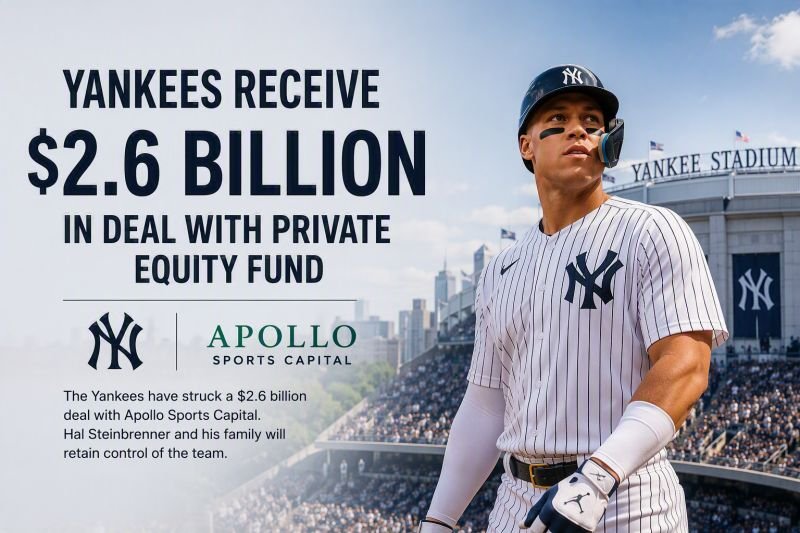
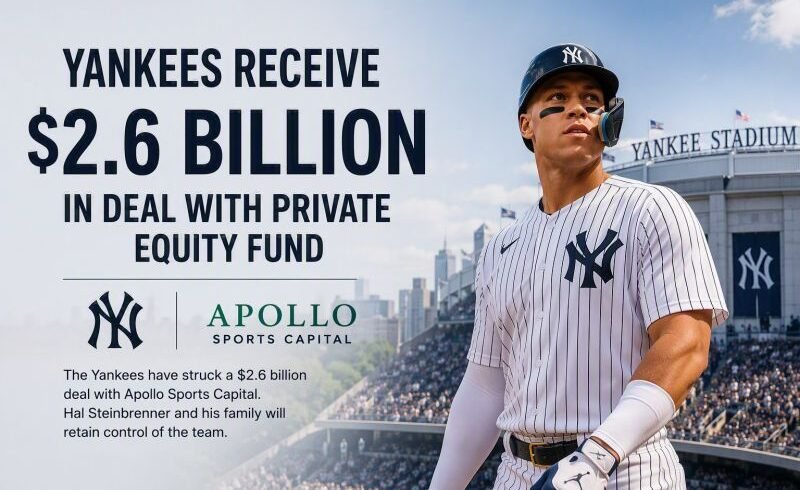
The clearest sign came this month. Yankee Global Enterprises struck a $2.6 billion financing deal with Apollo Sports Capital, Apollo Global Management’s permanent sports platform. The deal mixes debt and equity. Proceeds will refinance Yankees debt and fund growth. Apollo CEO Al Tylis is joining the team’s board. The Steinbrenner family keeps control.
Bloomberg called it Apollo’s largest US sports bet yet. It follows Apollo’s roughly $6 billion sports fund, which already backed control of Atlético Madrid and stakes in Wrexham AFC and the Miami and Madrid Opens.
Dedicated Platforms Replace Opportunistic Deals
Private equity has circled sports for years. Formula 1, MotoGP and the UFC are familiar examples. What’s new is the infrastructure behind the capital.
CVC, Ares, Apollo, TPG and KKR have all built dedicated sports investing teams and funds. KKR entered the space through its acquisition of Arctos Partners. Rather than running deals through generalist buyout vehicles, these firms now treat sports as its own strategy with its own underwriting playbook.
Minority Stakes Drive Deal Flow
Minority stakes, not control deals, now dominate sports investing. UEFA logged 123 European football investments last year. Only 29 of those were control deals. The rest were minority equity, structured capital or private credit.
US league rules reinforce this pattern. The NFL caps private equity ownership at 10%. The NBA applies its own tiered limits. MLB caps any single firm at 15% the ceiling Apollo’s Yankees stake sits under.
Evergreen Funds Open the Door to Wealth Managers
Wealth channels are the next frontier. Ares closed its first dedicated sports fund at $3.7 billion in 2022. It now runs a semi-liquid, evergreen sports and media vehicle with quarterly liquidity for individual investors. Ares also plans a similar product for Europe.
This structure matters for distribution. It gives private banks a standing allocation they can hold in client portfolios. That beats a one-off deal that has to be re-marketed each time.
What It Means for Allocators
The pattern mirrors how private credit and infrastructure went mainstream. Dedicated platforms came first. Repeatable minority deals came second. Retail access is now following. The next stage may be simple: fans holding a stake in their own team, right alongside the rest of their portfolio.