Binance locked $557 million in customer funds. Bybit took orders it couldn't fill. The biggest IPO in history just exposed the biggest structural flaw in tokenized finance.
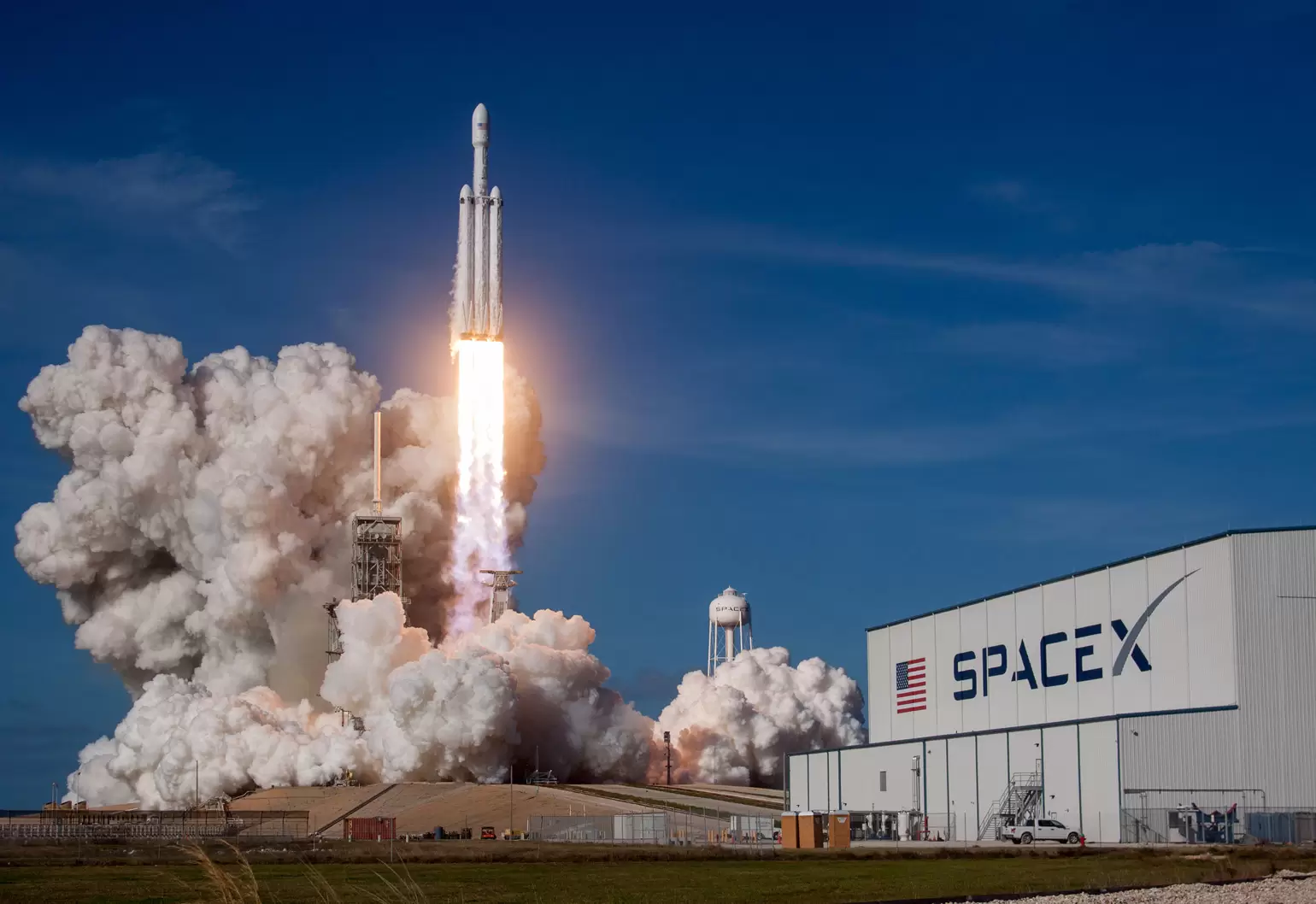
SpaceX listed on the Nasdaq on June 12 at $135 per share, opened at $150, and closed at $160.95 a 19% first-day gain valuing Elon Musk's rocket company at over $2 trillion, the largest IPO in the history of financial markets. In the crypto world, the same day was a quiet disaster.
Binance had spent two weeks marketing IPO access to its users, locking up $557 million in USDC across 27,700 wallet addresses at the promised $135 offering price. Bybit, Bitget, and MEXC ran parallel campaigns. Together the four platforms had aggregated over $1 billion in customer orders, all routed through the same upstream supplier: xStocks, the tokenized equity infrastructure acquired by Kraken's parent company Payward in December 2025.
When allocation day arrived, xStocks had almost nothing. SpaceX was more than four times oversubscribed globally roughly $250 billion in total demand and the underwriters had no obligation to reserve supply for a crypto infrastructure firm with no formal standing in traditional IPO distribution. Binance posted a terse update citing "circumstances outside our control." Bybit was blunter: "due to xStocks' inability to deliver the underlying assets, no SpaceX allocations were received." Full refunds were issued. Binance threw in a $1 million airdrop as a consolation. The fine print had always said tokens did not guarantee an allocation. The marketing had not led with that sentence.
"The blockchain was supposed to cut out the middleman. Instead, it added one." — Block News Network
Kraken's own customers fared only marginally better. Every subscriber whether they committed $500 or $50,000 received an identical 4.2786 SPCXx tokens, worth roughly $578 at the IPO price, with the remainder refunded. Platforms that stayed out of the subscription race delivered without incident. Backpack, operating as a licensed broker-dealer, simply bought shares on listing day and recorded $35 million in trading volume within 24 hours. Ondo Finance and Dinari sourced from the secondary market. The lesson was not that tokenized stocks don't work. It was that IPO-price access depends on whether your supplier has a seat at the underwriters' table and xStocks did not.
The irony is that the same infrastructure that failed this test is the one Nasdaq chose to build on. In March, Nasdaq announced a partnership with Payward Kraken's parent to develop programmable tokenized equities, targeted for the first half of 2027. As of today, SPCX trades at $185, having peaked at $225.64 on June 16 before pulling back sharply. Former Nasdaq CEO Robert Greifeld said this week the stock is not trading on fundamentals. SpaceX has yet to turn a profit. The next earnings date is August 6. The crypto platforms that missed the first test are already preparing for the next IPO. The demand side passed. The supply side did not. That gap is still the distance between what tokenized finance promises and what it can actually deliver.