
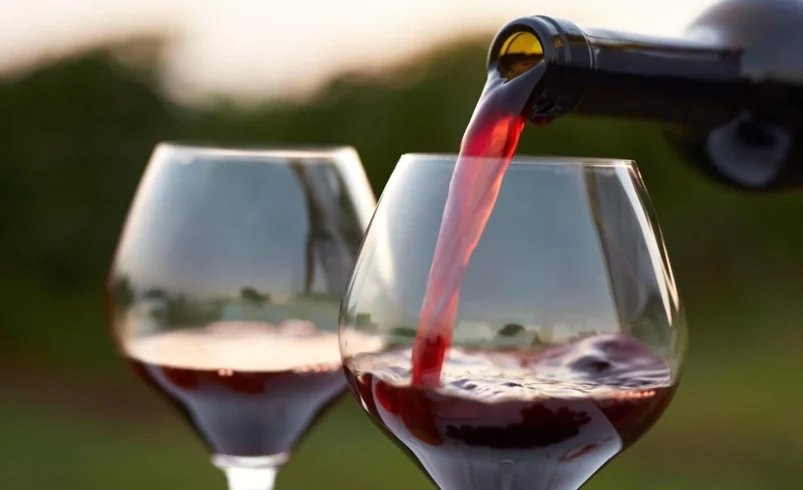

Picture a hedge fund manager’s vault. You’re probably imagining gold bars, maybe some crypto cold wallets. Not cases of 2010 Château Margaux sitting in a warehouse outside London.
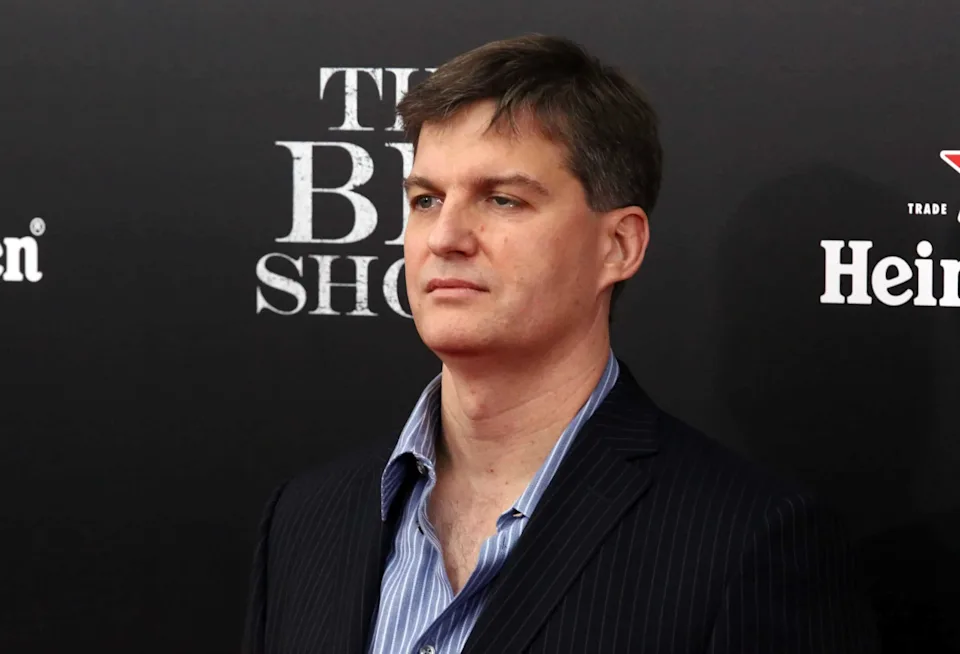
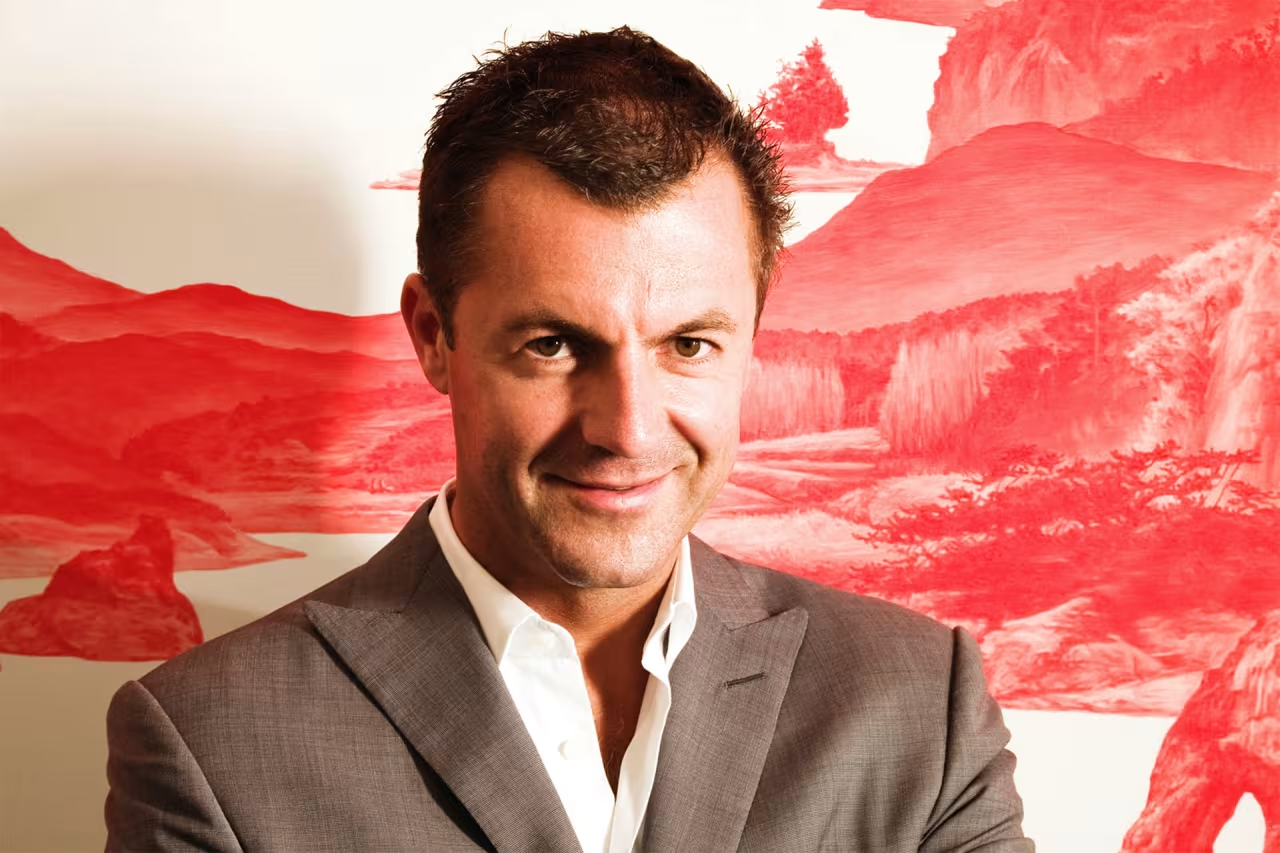
But that’s exactly the trade Michael Burry the guy who saw the 2008 housing crash coming before almost anyone else just told his subscribers he’s making. And he’s not the only smart money doing it.
The Dollar Problem Everyone’s Talking About
Something’s been quietly breaking for twenty-five years, and 2026 is when it finally became impossible to ignore.
Back in 2001, the U.S. dollar made up 71% of the money sitting in the world’s central bank vaults. Today, it’s down in the high-50s. Ask the people who actually manage those vaults where it’s headed next, and three out of four say the slide continues. Nearly 90% say they’re buying more gold to compensate the highest number ever recorded.
Gold has been on a rollercoaster because of it. A record above $5,600 an ounce in January. A stomach-drop to $4,000 by June. Wall Street’s biggest banks are already calling for $6,000 next. And through every twist, the central banks never stopped buying. They weren’t watching the daily chart. They were watching the decade.
That’s the fear driving investors toward anything that isn’t paper money. Gold got there first. Wine is next.
Wait, Wine? Seriously?
Yes. And it makes more sense than it sounds.
Fine wine trades on a real exchange called Liv-ex, based in London, with published price indices the same way stocks have the S&P 500. There’s a benchmark just for Bordeaux’s most elite producers, a broader one covering the world’s best regions, and daily data stretching back decades. This isn’t a hobbyist’s guessing game it’s a market with receipts.
The magic word is “bonded.” Wine sitting in a licensed bonded warehouse hasn’t had a penny of duty or tax paid on it yet that bill only comes due when it actually leaves the building.
Which means a case can trade hands over and over, internationally, without anyone double-paying tax. It also means the wine’s entire history is verified and airtight, which is exactly what protects its value when it’s finally sold.
Burry’s logic, boiled down: if the dollar keeps sliding and the financial system gets shakier he specifically points to risks down the road from AI and quantum computing a case of bonded first-growth Bordeaux is a bet against all of it. No government backs it. No currency touches it. And unlike a gold bar, you can actually drink the thing if the trade doesn’t work out.
He’s Not Drinking Alone
Wine’s quiet fan club in finance has been growing for a while now.
Goldman Sachs called fine wine a legitimate inflation hedge in its 2025 outlook, pointing out that top Bordeaux and Champagne were sitting at multi-year lows just as buying started picking back up. Family offices and hedge funds have been steadily adding wine to their books. More than a third of the world’s ultra-wealthy now say they own investment-grade wine.
Even the people running wine investment platforms are out there making the case on financial TV arguing that with the “Magnificent Seven” alone worth a third of the entire S&P 500, big money is desperate for somewhere else to put its chips. A three-year slump in wine prices, in that light, doesn’t look like a red flag. It looks like a clearance sale.
The Numbers Turning Heads
- Wine’s benchmark index just strung together six straight months of gains — the longest streak since 2023
- Prices are still sitting 25% to 30% below their 2022 peak
- 62% of all trades this year were started by buyers, not sellers — the strongest buying signal in two years
- American buyers jumped from a fifth to nearly 27% of the global market in just twelve months
Put it together and it reads less like a falling knife, and more like a market quietly finding its floor while nobody’s watching.
What They’re Not Telling You
You can’t sell a case of first-growth Bordeaux in three seconds like a stock. Getting in properly the right names, spread across regions, stored and insured the right way realistically starts in the five figures. And it’s no magic shield either: wine tumbled right alongside the stock market during the rate-hike years of 2023 to 2025.
This isn’t a trade you check tomorrow morning. It’s one you check in a decade and maybe, if you’re lucky, drink your way through in the meantime.