

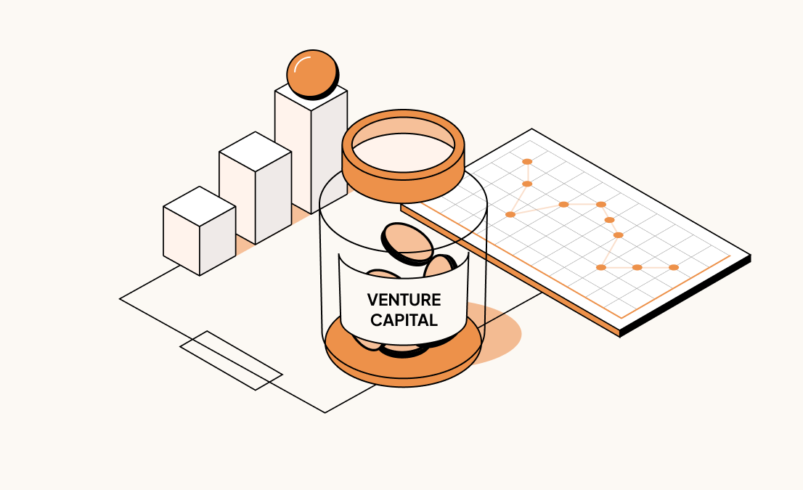

Venture capital is having the best year of its life, and most startups will never feel a dollar of it.
Investors committed roughly $300 billion to about 6,000 startups worldwide in the first quarter of 2026 more than 150% above the same stretch a year earlier and the largest quarterly haul ever recorded, according to Crunchbase data. The number is staggering on its own. What it conceals is more telling: nearly 70% of US funding went to fewer than 400 companies, each raising more than $100 million, while the remaining sliver was divided among some 6,000 smaller names. Capital has rarely been this abundant, or this hard to reach.
The reason is no mystery. Artificial intelligence has become the market’s center of gravity, absorbing roughly 80% of all funding in the quarter and bending valuations across every stage around it. But the indiscriminate enthusiasm that defined the early AI rush has cooled into something far more demanding. Investors have soured on “wrappers” — slim products built atop someone else’s model and by Series A now expect revenue, retention and a credible path to scale rather than a polished demo.
Conviction alone still buys a seat at the pre-seed table. Everywhere after that, the price of entry is proof.
The clearest growth story sits not in software but in steel. Robotics startups have raised $18.8 billion globally so far this year, already eclipsing the $15 billion they drew in all of 2025, with half the calendar still unspent. The money is chasing what the industry calls embodied AI machines that perceive and act in the physical world in real time and it reflects a wholesale reappraisal of a sector long written off as a capital-hungry hardware gamble. The subtext is competitive anxiety: the investors who missed the language-model wave have no intention of missing the machines.
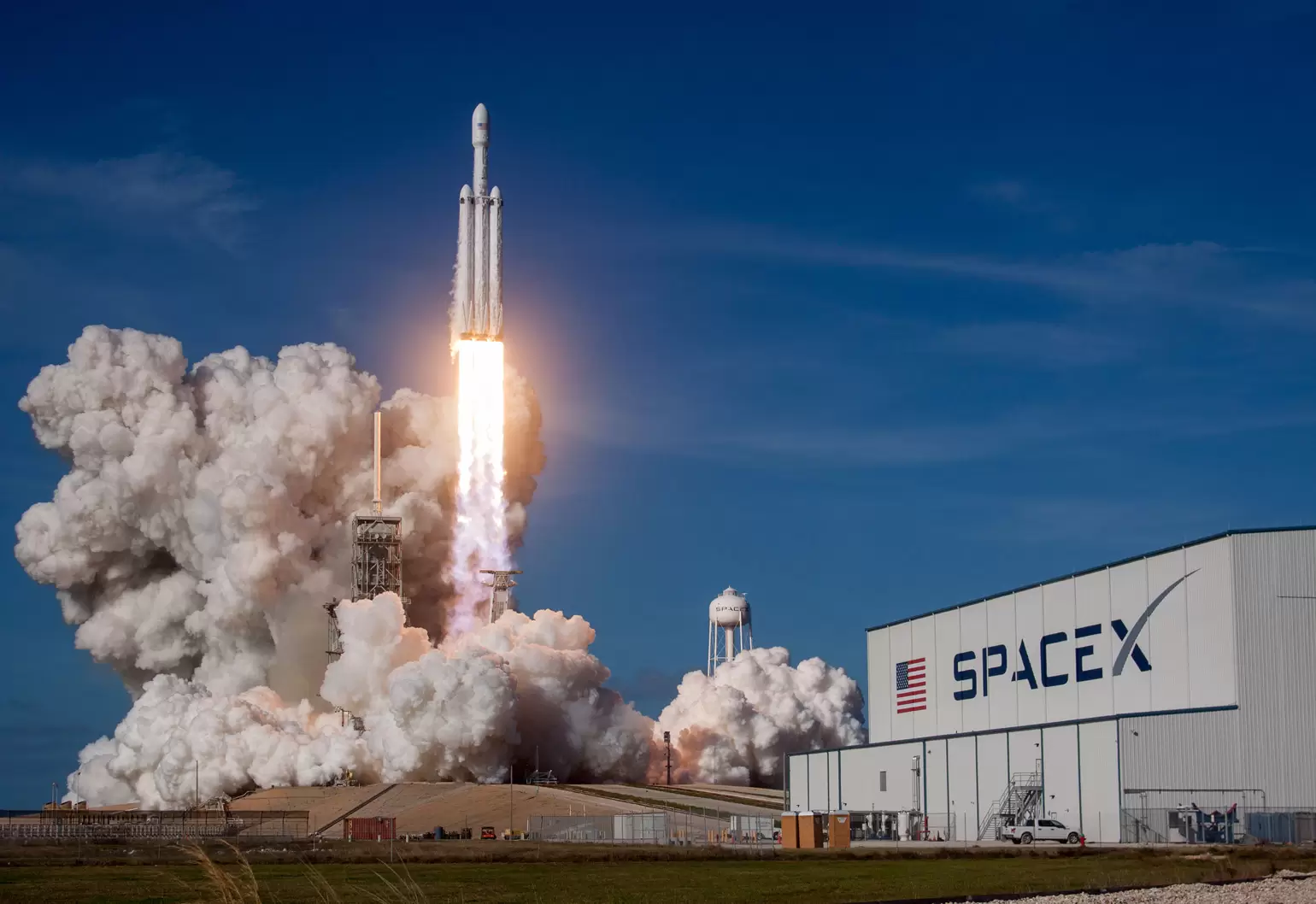
Defense technology is running on the same logic. Five months into 2026, defense startups had already blown past the full-year funding record set in 2025, when the sector pulled in $9.6 billion. Sustained geopolitical strain and the increasingly blurred line between commercial and military AI have erased the squeamishness that once kept many firms at arm’s length, with space ventures carrying defense applications among the most aggressively backed.
Beyond the marquee themes, the older economy of venture is holding up better than AI’s dominance suggests. Fintech and financial-services funding climbed 27% year over year to $51.8 billion, topping pre-pandemic levels for the first time since 2022, while AI-adjacent niches such as legal tech are setting records of their own. Health-care capital has migrated toward companies near commercialization rather than speculative science. The lone conspicuous casualty is crypto, which no longer commands the outsized checks of 2021 as former backers quietly redirect their attention toward AI and fintech.
What ties it all together is a structural split that explains the brutality.
The market has bent into a barbell vast late-stage rounds concentrated in a handful of mostly AI companies at one end, disciplined early-stage bets at the other, and a hollowed-out middle in between.
Seed capital is still flowing, but on the strength of fewer, larger rounds: seed funding reached $12 billion in the first quarter, up 31% from a year earlier even as the number of deals fell 30%, to roughly 3,800.
Geography only deepens the concentration. US companies captured $250 billion, or 83% of global venture funding, up from 71% a year before.
For founders setting out to raise, the lesson cuts against a decade of growth-at-all-costs instinct. There is, by many investors’ own admission, more money in the system than there are good ideas to absorb it an imbalance that rewards the narrow and the defensible over the merely ambitious.
The companies winning in 2026 are the ones with a sharp claim on physical AI, on defense, or on a single vertical they can own outright. Everyone else is left to compete for a shrinking slice of the largest pool of venture capital ever assembled.